In the modern data environment in which inconsistent brand names silently affects the accuracy of analytics as well as customer intelligence and efficiency in operations. We tackle this issue by implementing normalization of brand names rules that uniformize the way companies’ names are gathered and stored across various systems. This guide provides a complete business-grade framework that allows you to create implement, deploy, and scale normalization rules that remove ambiguity and provide reliable information.
What Are Brand Name Normalization Rules?
Normalization rules for brand names are a structured process that applies to brand or company names in order to make them conform to an identical and canonical format. These rules guarantee that any variations like abbreviations, misspellings legal suffixes, as well as formatting errors are combined into a uniform representation.
For instance:
| Raw Input Variations | Normalized Brand Name |
| Apple Inc., Apple, APPLE INC | Apple |
| Microsoft Corp., Microsoft Corporation | Microsoft |
| Amazon.com, Amazon Inc | Amazon |
These rules form the base of data standardization pipelines that allow precise matching, deduplication and reporting.
Why Brand Name Normalization Is Critical for Data Accuracy
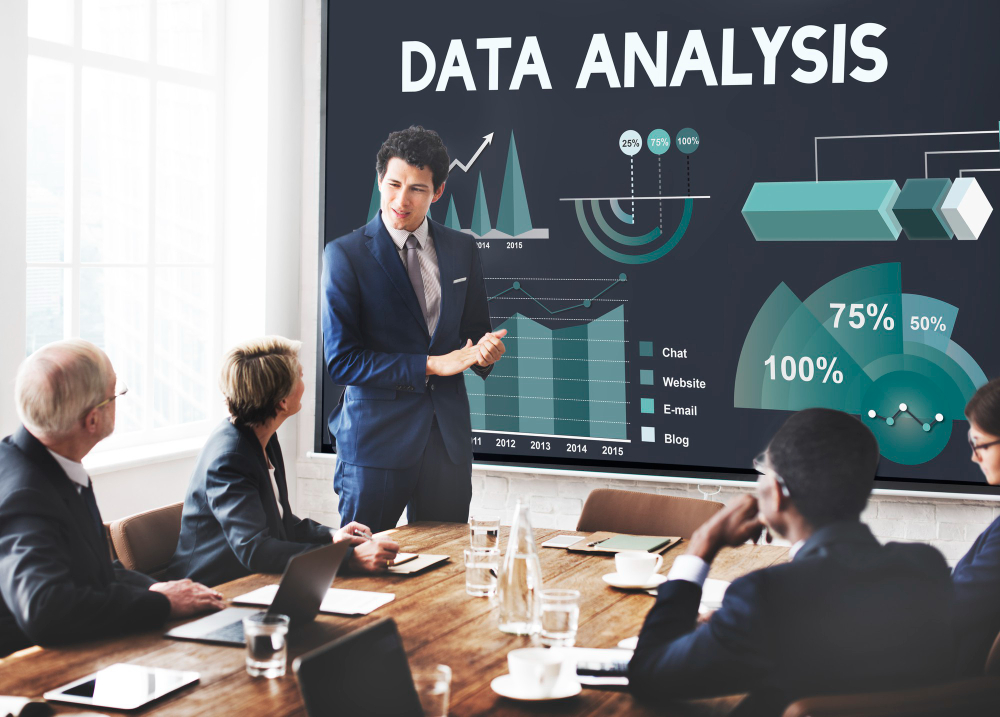
Companies operating across marketing platforms, CRM systems and financial databases frequently have inconsistent brand data. In the absence of normalization, these disparities result in a distorted and fragmented data set that impedes the reporting process and affect decision-making.
We guarantee consistency through the application of norms for normalization which:
- Eliminate duplicate brand entries
- Improve the accuracy of entity resolution
- Allow unified vendor and customer views
- Improve the reliability of forecasting and analytics
- Enhance the performance of machine learning models
When it is properly implemented, the process of normalization transforms data that is chaotic into one true source.
Core Components of Effective Brand Name Normalization Rules
To construct a strong normative framework we create rules for multiple layers of transformation.
1. Standardizing Case and Formatting
We use uniform casing (typically uppercase or title case) and eliminate unnecessary punctuation.
Examples:
- “apple inc.” – “Apple”
- “MICROSOFT CORP” – “Microsoft”
2. Removing Legal Entity Suffixes
Legal suffixes differ according to region and need to be removed to separate the brand’s identity.
Common suffixes:
- Inc, Corp, Ltd, LLC, GmbH, PLC, S.A., Co.
Example:
- “Tesla, Inc.” – “Tesla”
3. Handling Abbreviations and Acronyms
We translate abbreviations into their standard forms by with the help of controlled dictionaries.
Examples:
- “IBM Corp” – “IBM”
- “P&G” – “Procter and Gamble”
4. Eliminating Noise Words
We eliminate generic or redundant words that don’t contribute to the brand’s identity.
The words that are used to describe noise include:
- “The”, “Group”, “International”, “Holdings”
Example:
- “The Coca-Cola Company” – “Coca-Cola”
5. Managing Special Characters and Symbols
We normalize symbols to eliminate any inconsistencies resulting from encoded differences.
Examples:
- “AT&T Inc.” – “AT&T”
- “L’Oreal SA” – “L’Oreal”
6. Resolving Misspellings and Variants
We use the use of fuzzy match and phonetic algorithm to fix spelling errors.
Examples:
- “Gooogle” – “Google”
- “Facebok Inc” – “Facebook”
Advanced Brand Name Normalization Techniques

Basic rules are not enough for large-scale data environments. We use advanced techniques to increase the accuracy and scaleability.
Rule-Based + AI Hybrid Normalization
We blend deterministic rules with machine learning models in order to find patterns that go beyond static mappings.
- Rule-based logic is able to handle the predictable changes
- AI models recognize unobserved variations and provide context
Fuzzy Matching and String Similarity
We employ algorithms like:
- Levenshtein Distance
- Jaro-Winkler Similarity
These methods can identify brands that are closely related, even if there are differences.
Reference Data Enrichment
Normalized names are validated against reliable datasets for example:
- Business Registry
- Commercial data providers
- Internal master data repositories for master data
This guarantees consistency across internal and external systems.
Entity Resolution Systems
We use normalization in conjunction with entity resolution in order to combine duplicate records into unifying entities.
“For businesses looking to enhance their data management practices, exploring comprehensive guides on enterprise data normalization techniques can provide valuable insights. These resources delve into industry-standard approaches for standardizing brand names, improving data quality, and ensuring consistency across multiple systems. Leveraging such expert knowledge helps organizations implement scalable frameworks that reduce errors and enhance analytics accuracy.”
Step-by-Step Framework to Implement Brand Name Normalization Rules
We employ a systematic procedure to ensure the consistency and scalability.
Step 1: Data Profiling and Audit
We look at raw data to determine:
- Common inconsistencies
- Variations frequently occur.
- Issues with data quality
Step 2: Rule Definition and Taxonomy Design
We design a standardized rule library that contains:
- Suffix removal lists
- Abbreviation dictionaries
- Filters for noise words
Step 3: Transformation Pipeline Development
We apply normalization rules to the processing pipeline by with the help of ETL instruments or scripts.
Step 4: Validation and Testing
We verify outputs by through:
- Sample datasets
- Accuracy benchmarks
- Manual review processes
Step 5: Continuous Monitoring and Optimization
We are constantly refining rules in light of:
- New data inputs
- Edge cases
- Business needs
Brand Name Normalization Workflow (Mermaid Diagram)
Common Challenges in Brand Name Normalization
Despite having well-defined guidelines, companies face a variety of challenges that require a strategic approach.
Ambiguity in Brand Names
Some brands overlap or have similar structures needing contextual resolution.
Regional Variations
Different countries have unique legal suffixes and name conventions.
Constant Data Evolution
Brands and new naming patterns constantly emerge, which require constant revisions.
Scalability Issues
Massive data volumes require effective processing pipelines and automated.
Best Practices for Scalable Brand Name Normalization
We can ensure our long-term success by following best practices:
Maintain a Centralized Rule Repository
Normalization rules must be documented and controlled in terms of version.
Use Layered Rule Execution
Make use of transformations in an orderly sequence to achieve the highest accuracy.
Integration with Master Data Management (MDM)
Normalization must feed into central master system of data.
Automate Wherever Possible
Make use of AI or automation techniques to decrease the need for manual intervention.
Monitor Data Quality Metrics
Monitor accuracy, duplication rates and score for consistency.
Real-World Applications of Brand Name Normalization
Customer Data Platforms (CDPs)
The unification of brand names allows for precise segmentation and ad-hoc targeting.
Financial Systems
The consistency of vendor names helps improve the reporting process and ensure compliance.
Marketing Analytics
Normalized brand data increases campaign attributability.
Supply Chain Management
Standardized supplier names improve procurement efficiency.
Tools and Technologies for Brand Name Normalization
We make use of a variety of tools based on the size and complexity:
- Python (Pandas, Regex, FuzzyWuzzy)
- SQL-based transformations
- ETL platforms (Talend, Informatica)
- Data quality tools (Trifacta, OpenRefine)
- AI/ML frameworks to aid in matching entities
Measuring Success of Normalization Rules
We evaluate effectiveness using clear metrics:
- Deduplication Rate
- Match Accuracy
- Error Reduction Percentage
- Data Consistency Score
Continuous monitoring ensures continuous optimization and ensures reliability.
Future of Brand Name Normalization
As the data ecosystems become more complicated, the normalization process will grow along with:
- AI-driven contextual understanding
- Real-time data processing
- Global standardization frameworks
- Integration of knowledge graphs with
Companies that invest in the most advanced normalization strategies will see cleaner data, better insight, and a competitive edge.
“Organizations aiming to integrate AI-driven solutions into their data pipelines can benefit from learning about advanced master data management strategies. These guides cover the use of fuzzy matching, machine learning, and entity resolution systems to unify and clean brand information, ultimately supporting more reliable reporting, improved customer intelligence, and efficient operational workflows.”
Conclusion: Building a Reliable Data Foundation
Normalization rules for brand names are not optional. They are vital for any business that wants to improve accuracy in data and efficiency in operations. Through the implementation of structured rules, using AI and continually optimizing processes, we can create an scalable, high-precision normalization framework that turns fragmented data into a single, reliable asset.
Consistent data on brand performance drives better decisions, more powerful analytics, and sustainably growing across all business functions.
Latest Article: Explore Instagram Anonymously With Picuki